The Summer Surge Problem
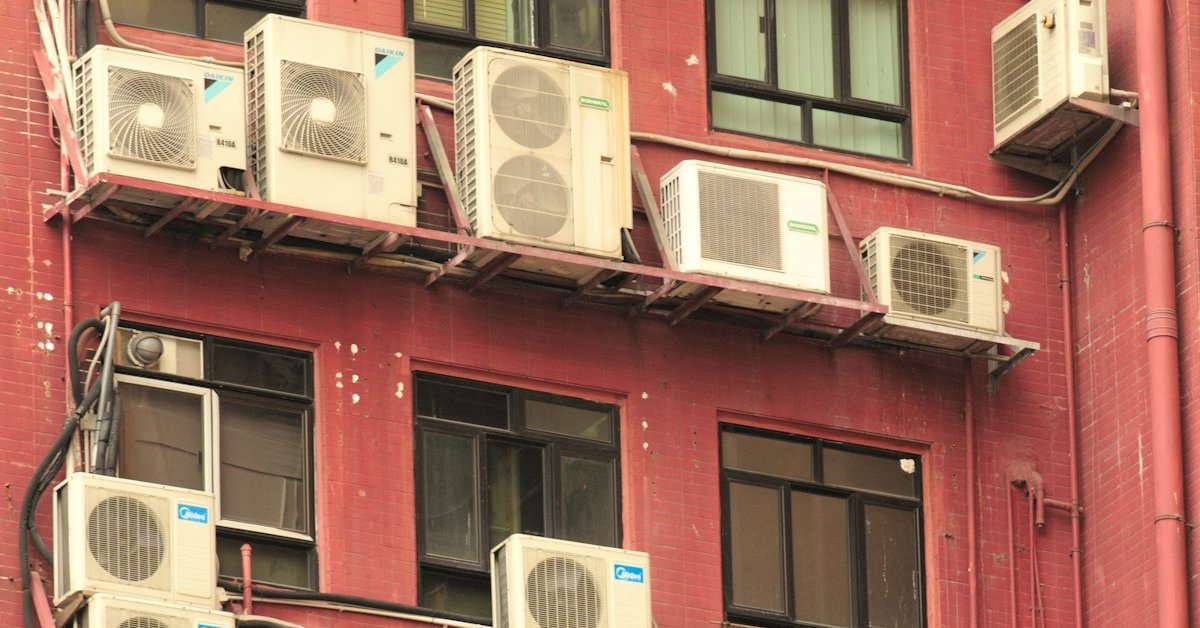
Houston summers push HVAC systems to their limit. Once temperatures climb past 100°F, air conditioners that were barely holding on start failing outright, and the phone starts ringing constantly. A company that comfortably handles call volume in April can be completely overwhelmed by July, not because the business changed, but because every customer with a struggling system suddenly needs help on the same hot week.
Storm season adds another layer. A single strong storm can knock out power across whole neighborhoods, and when it comes back on, every affected HVAC system gets tested at once. Call volume during these windows does not rise gradually, it spikes all at once, and most businesses are staffed for a normal day, not a surge day.
The Missed Call Math During Peak Demand
On a normal day, a service business might already miss 62% of incoming calls simply because staff are out on jobs. During a summer heat spike, that same call volume can double or triple while staffing stays the same. The missed call rate does not just stay at 62%, it can climb higher, because there are more calls competing for the same number of available people.
Every one of those missed calls represents a customer with an urgent, weather-driven problem, which means they are also more likely to call the next HVAC company immediately rather than wait. 85% of callers who don't get an answer do not call back, they move on.
Want this running for your business? We handle the entire setup.
Let's Get StartedHow an Automated Text-Back Captures Leads During a Surge
An automated missed call text-back does not get overwhelmed the way a phone line does. Every missed call, whether it is the first of the day or the fiftieth, triggers the same text within 60 seconds, letting the customer know the business saw the call and will follow up. That single message keeps a heat-stressed customer from calling a competitor while a technician is still finishing the job in front of them.
Businesses running this kind of system recover an average of 93% of leads that would otherwise be lost, and during a summer surge, that recovery rate matters more than at any other time of year, because the volume of at-risk leads is so much higher.
Filling the Slow Season Too
Summer surges get the attention, but the flip side matters just as much. HVAC demand in Houston drops off sharply once the weather cools, and revenue can dip right along with it. Seasonal campaigns that re-engage past customers, reminders for fall maintenance checks, filter changes, or system tune-ups, keep the calendar filled during the months when the phone is not ringing on its own. The same automation that catches leads during a summer spike can also generate them during a winter lull.
What This Means for a Houston HVAC Business
The businesses that come out ahead in Houston's HVAC market are not necessarily the ones with the most trucks. They are the ones that don't lose the leads they already generated, in the exact weeks when demand is highest and competition for a fast response is most intense.
See how the underlying system works in What Is Missed Call Text Back and How Does It Work?, or see current pricing and book a setup call at getuptick.co/pricing.
Frequently Asked Questions
Why does call volume spike so suddenly for Houston HVAC companies?
Extreme heat and storm-related power outages cause many systems to fail around the same time, so call volume rises sharply rather than gradually.
Does a higher call volume mean a higher missed call rate?
Often, yes. If staffing stays the same while call volume rises, a larger share of calls go unanswered, even at businesses that normally keep up.
Can automation help during the slow season too?
Yes. The same systems that capture leads during a summer surge can run seasonal campaigns, like fall maintenance reminders, to generate business during slower months.